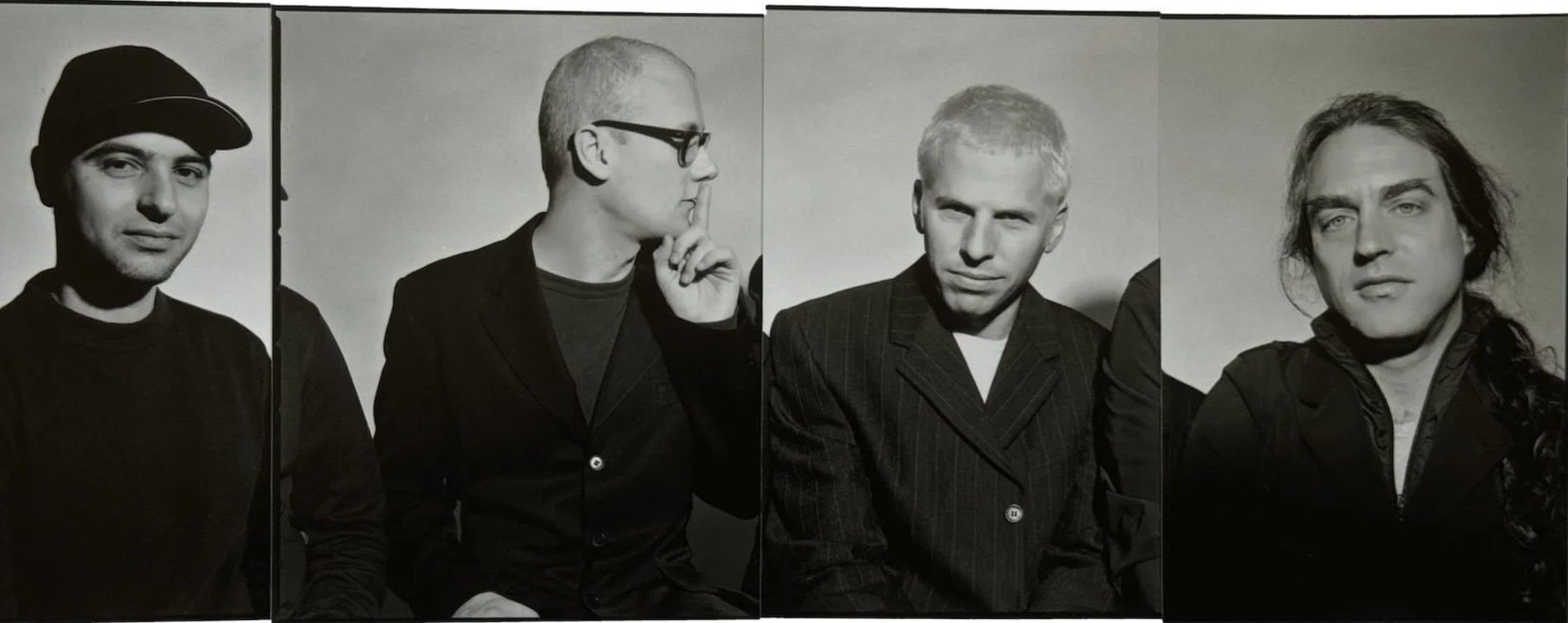
For 24 years the members went separate ways, and the band's name lived on mostly through reissues, archival live releases, and a long public argument about who wrote what.
Mike Doughty
Without a label, Doughty rebuilt from nothing. He had been writing a column for New York Press on the side, and he set out on a solo acoustic tour of songs from the still-unreleased Skittish. He finally released Skittish, which he had recorded in a single day, July 5, 1996, at Noise New Jersey with Kramer producing (the same Kramer who made records for Galaxie 500 and Low). He mixed it the next day. It went out on blank CD-Rs in plain sleeves, and he sold them from the lip of the stage and the trunk of his car, logging about 9,000 miles in a rental car on the first tour. Over roughly three years he sold around 20,000 copies and built an audience of his own. In between came "Frog and Banjo" on the CD that shipped with McSweeney's issue 6 (2001), recorded by John Flansburgh in his Dial-A-Song studio; Smofe + Smang: Live in Minneapolis (2002), another self-release; and Rockity Roll (2003), a six-song EP he recorded in two days in New York, playing and programming everything himself. It was later paired with Skittish on a two-disc reissue. At Bonnaroo in 2004 he ran into Dave Matthews, who signed him to ATO; Haughty Melodic (2005), made in Minneapolis with Dan Wilson of Semisonic (who had shared the Target Center bill with Soul Coughing in 1998), reached No. 175 and put him on Letterman. Golden Delicious (2008) and Sad Man Happy Man (2009) followed, along with a long run of self-released and crowdfunded records.
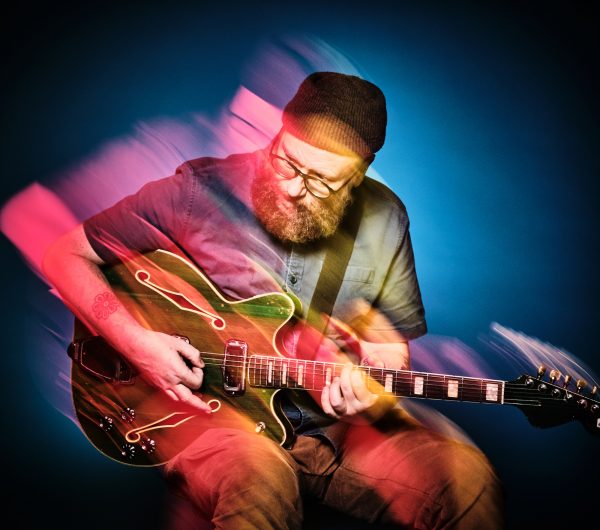
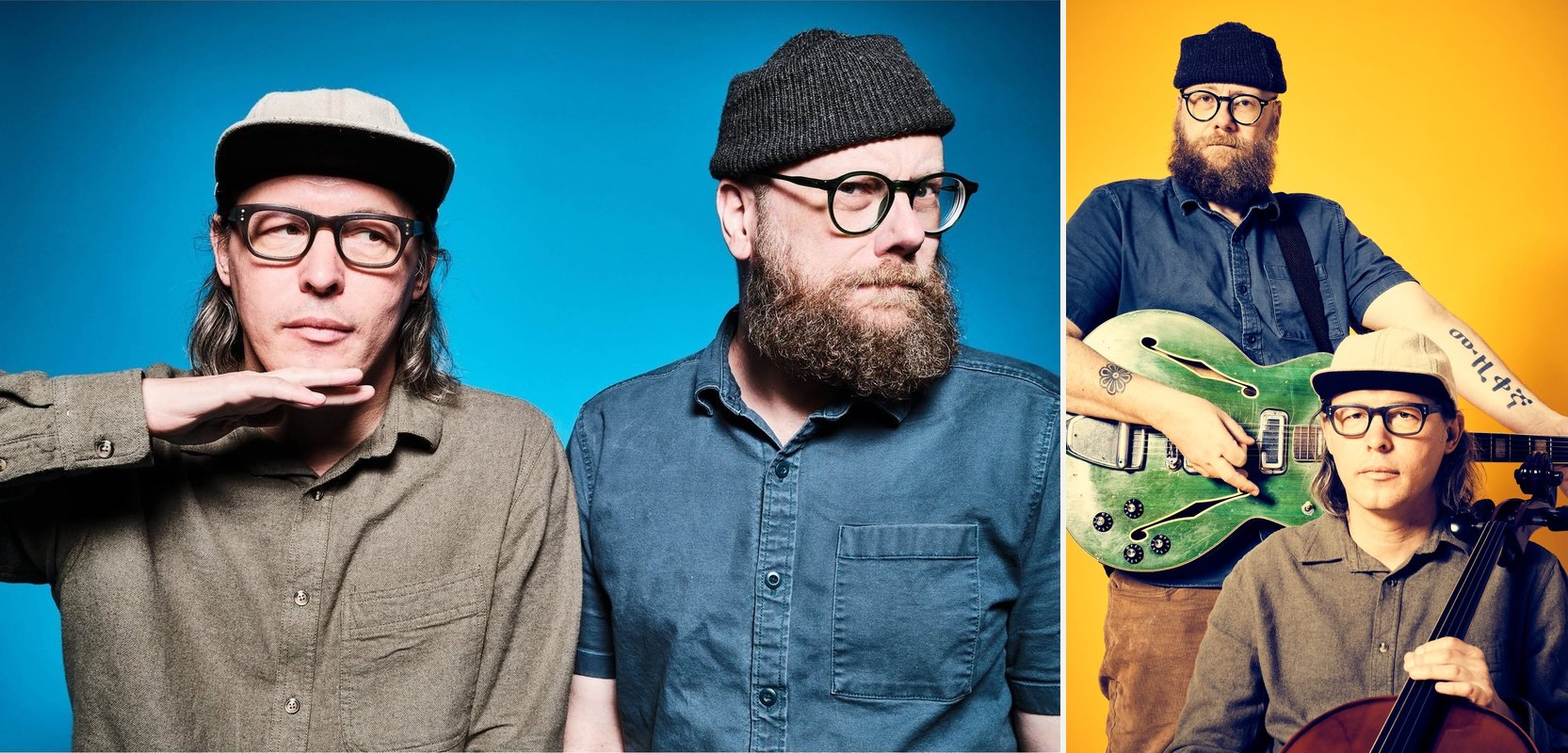
Haughty Melodic put him back in the mainstream. The title is an anagram of Michael Doughty, Dave Matthews sings on "Tremendous Brunettes," and two of the singles, "Looking at the World from the Bottom of a Well" and "I Hear the Bells," turned up in episodes of Grey's Anatomy and Veronica Mars. The Gambler EP followed in 2005, with live songs and a cover of the Kenny Rogers title song. Golden Delicious reached No. 87 in 2008, the same year he pressed Busking, a live LP sold only at shows. By 2011 he was putting records out on his own Snack Bar label, beginning with Yes and Also Yes. The Question Jar Show (January 2012) is a two-disc live album with his touring partner, Andrew "Scrap" Livingston. Before each show, fans drop written questions into a jar at the front of the stage, and between songs the two of them answer them. Later in 2012 he started a subscription service called The Lo-Fi Lodge, and Stellar Motel (2014) was paid for through crowdfunding, as several of his records have been. By the time of The Heart Watches While the Brain Burns (2016), he had put out 18 studio albums, live albums and EPs, every one of them since 2000.
For much of the 2000s he kept Soul Coughing songs out of his sets and focused on new material. The two catalogs overlap more than you'd think, though. "The Pink Life," now a Doughty solo song, was rehearsed by Soul Coughing but never made it to the studio. "Thank You, Lord, for Sending Me the F Train" went further: the band recorded it in full as an El Oso outtake, and it became a solo song too. His memoir The Book of Drugs (Da Capo, January 2012) is about his addiction and recovery, and tells the band years from his side; it refers to his bandmates by instrument rather than by name. In 2013 he crowdfunded Circles, Super Bon Bon, and The Very Best of Soul Coughing, rerecording the songs the way he said he had originally conceived them. He moved to Memphis in 2015, played Ruby Vroom in full on a 2019 25th-anniversary tour, published a second memoir (I Die Each Time I Hear the Sound, 2020), and formed Ghost of Vroom with Livingston, releasing three records produced by Mario Caldato Jr. between 2020 and 2023.
Mark degli Antoni
Degli Antoni had always been the band's conservatory composer, and after the split he made that his career. The partnership behind it went back to eighth grade in San Francisco, when he and his best friend Joe Bini started making things together; Bini became one of the most respected film editors around, best known for his long run cutting Werner Herzog's films, and the two have worked as a composer and editor team ever since. Bini also wrote lyrics for degli Antoni's Horse Tricks, and the two formed a publishing company together, which is where his old email handle, BoniMoe, came from: Bini plus Mark plus Joe.1 Bini edited Mike Stamm's short Ashes to Ashes, which degli Antoni scored in 2000, and Finn Taylor's Cherish followed at Sundance in 2002, with Steinberg and Lisa Germano among the players.
The training came first. He holds composition degrees from the Mannes College of Music in New York and is a Composer Fellow of the Sundance Institute, and in the early 1990s he belonged to a composers' collective called Rough Assemblage, with Eric Qin and Norman Yamada. His first documentary was Roman Polanski: Wanted and Desired, directed by Marina Zenovich and edited by Bini. He now splits his time between New York and Los Angeles.
The credits since then lean toward documentaries that tell dramatic stories: HBO's Roman Polanski: Wanted and Desired (2008), Herzog's death-row film Into the Abyss (2011), Killing in the Name (a 2011 Academy Award nominee), Roger Ross Williams's God Loves Uganda (Sundance 2013, winner of the Grand Jury Prize at the Dallas International Film Festival), Twinsters (2015, with Martin Molin), Netflix's Get Me Roger Stone (2017) and Shiori Ito's Black Box Diaries (2024), which earned an Oscar nomination for Best Documentary Feature. Features include Marie and Bruce (2004), Pushing Dead (2016, with Danny Glover), Lily Baldwin's segment of the SXSW omnibus collective:unconscious (2016) and Matt Ruskin's Crown Heights (2017). He also scored the 2013 portrait Plimpton! Starring George Plimpton as Himself, which aired on American Masters, and has worked with directors including Wallace Shawn, William Wegman, Maya Daisy Hawke, Tania Raymonde, AJ Schnack and Sarah Adina Smith. For Into the Abyss he mixed early music, lone-cowboy guitar and metallic sounds for the prison, and he called Steinberg, who played on it, "a miracle."
He described his method in 2016 as starting from the footage and the director's dramatic intentions, not instructions: "I don't want to hear about which instruments to use, or which chords to use." He called himself a craftsman, "not a prodigy genius," and said handing sketches to an editor was "like jumping off a cliff every time." Of God Loves Uganda, he said the goal was to "stay simple and beautiful" and not "wear the drama on the sleeve." On working with singers, he put it simply: "They sing and the sky opens."
He says the difference between documentary and narrative work is timing. In a documentary the story often does not exist until the edit, and editors tend to cut to music that already exists, so he writes early and lets the editor build a scene around it. The Herzog job came through Bini, who had temped one of Degli Antoni's pieces into the film, and Herzog simply said to hire him. Score meetings with Herzog wandered away from the film and often paused for cigarette and coffee breaks. He will use anything that serves the drama, from orchestra to synthesizers to found objects, and he shares his sketches with the sound designer first, since some of his sources overlap with theirs. On working for free he takes it case by case: only for a close friend or a real opportunity.
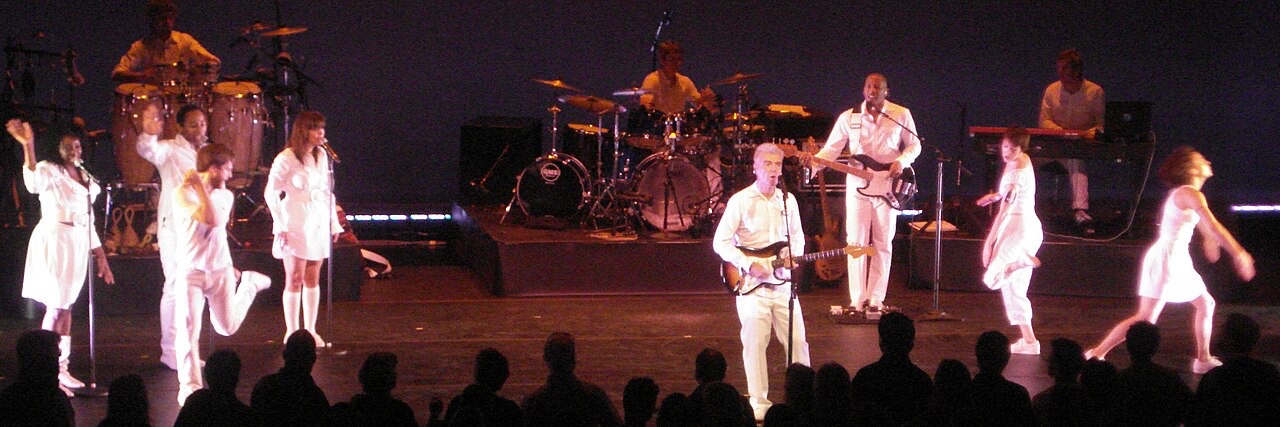
He kept playing, too. He was on John Scofield's Bump (2000) and toured with him, played on the B-side of Low's "Dinosaur Act" and later toured with Low, joined Steinberg in Miho Hatori's band for Ecdysis (2005), and played in David Byrne's band on the Songs of David Byrne and Brian Eno tour (2008 to 2009). His other collaborators include Laurie Anderson, Angelique Kidjo, Redman, John Zorn and Anthony Coleman, and his sound design, virtual reality and installation work includes projects with Annie B. Parson and Julia Scher. His solo work continued under the Horse Tricks name: the 1999 album Horse Tricks, his first solo record, ranged from instrumental trip-hop to ambient and minimalist pieces, with lyrics by Bini, and by the end of 2000 he, Steinberg and Gabay were recording as the trio Tempo Team. He was also the band's archivist in absentia, combing the Soul Coughing tapes for the Kufala live series in 2003 and 2005. In 2026 the two threads met on record: Bang Bang, Tempo Team's first record, came out on Bandcamp, credited to Horse Tricks vs. Tempo Team.2
Sebastian Steinberg
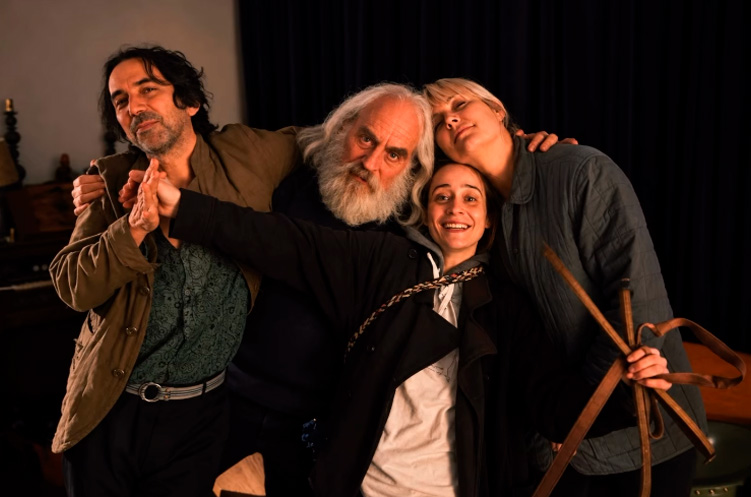
Steinberg became one of the most in-demand upright and electric bassists in the country, the kind of player other musicians call when a song needs a personality. "I don't typically do big mainstream things, because I'm a personality player," he told Bass Magazine in 2021. His first moves were downtown: European dates with Marc Ribot, New Year's Eve 2000 at Tonic with John Zorn's Bar Kokhba, the trio Tempo Team, the drum and bass band UV Ray with Gabay and Tony Maimone (he described it as a live drum and bass band that began as a reply to Gabay's drum and bass experiments at home in Brooklyn), and Chris Whitley's touring band in the fall of 2000. Beth Orton, whose tour he had joined at short notice in 1999, kept him on the road through the split.3
Then the circle widened. He already knew Finn: he had played bass on six tracks of Finn's solo debut, Try Whistling This (1998). In 2001 he played Neil Finn's 7 Worlds Collide concerts in New Zealand with Eddie Vedder, Johnny Marr and Radiohead's Ed O'Brien and Phil Selway, and he returned for the 2009 sequel with members of Radiohead and Wilco. Selway brought him back for his own solo debut, Familial (Nonesuch, 2010). In between, Steinberg made a solo album of his own, Scarlet Fever (2008), under the name Homesick Orchestra.4 He played on William Shatner's Has Been (2004) and toured with the Dixie Chicks (2006) and k.d. lang (2007). The list from there runs through Neil Diamond, Jackson Browne, Lucinda Williams, Jon Brion, Phoebe Bridgers, John Legend, Calexico, Neko Case, Iron & Wine and Blake Mills. Through Jon Brion he ended up on screen in Funny People (2009), playing with Adam Sandler and the drummer James Gadson; he said he wasn't fazed by Sandler, he just wanted to play with Gadson. He became a regular in the Watkins Family Hour, the Largo house band that released its first album in 2015, and in 2024 toured with Diana Krall and Matt Chamberlain.
He was born in New York on February 20, 1959 and raised in Newton, Massachusetts. Bass Magazine has noted that among players he is "your favorite bass player's favorite bass player," a reputation he had earned in New York long before Apple. He told the same magazine he grew up singing in bands out of necessity and enjoyed it, but never wanted to be the singer. In February 2022 he and Doughty played together in Los Angeles during his set at a Watkins Family Hour show, two years before the reunion.3
On The Bass Shed podcast (episode 73, February 17, 2024), he told the rest of the story. His father was a classical music critic who taught music history, and the house ran on classical music, Fats Waller and the Beatles. The walking bass line in "I'm a Loser" was the first time he knew the electric bass was for him, and John Entwistle was his first bass hero. He started on electric at about twelve with maybe five lessons, found an upright in a junior high band room at fourteen and bought his own in high school. His one upright lesson was not to look at his left hand. At fifteen or sixteen a bass-history box set introduced him to Jimmy Blanton. He learned from records and Boston jazz jam sessions, and says he never learned to transcribe solos. His father, hearing him play along to a Grand Funk live album, told him he was a hell of a bass player.
Two Bass Player pieces fill in the early years. In September 1996, between Irresistible Bliss and the fall tour, Bill Leigh caught him describing his old job as "like a stunt upright player," the guy you called when you didn't dare ask a real acoustic bassist to play the part.5 The long Soul Coughing tours were the first time he had played upright exclusively for months, and he aimed for an R&B tone on it instead of a stringy one. He told Leigh that every groove has a stupid part in the middle, and that sometimes you are it. The band, he added, sometimes played in two or three keys at once, something he thought hip-hop had made possible by opening everybody's ears. His rig then was a Yamaha BB5500 five-string and a '73 Precision with a '63 neck for electric, and for upright an Italian copy built in Jamaica Plain, Massachusetts, which he got by trading a plywood bass to his best friend's father, a bluegrass player who needed something rowdier.
In May 2007 the magazine's Bass Notes column asked why so many artists call him. His answer was a "flexible agenda, not a virtuoso agenda": he serves the song and skips the histrionics.6 He goes for the deepest, darkest bass he can find. When Soul Coughing was too broke to bring its own sound engineer, house engineers assumed he wanted a jazzy upright tone, and he would tell them to think Aston Barrett, Bob Marley's bassist, and reggae. The same piece has him on the Dixie Chicks tour, where he played no upright at all because Natalie Maines felt the instrument signified the old country world. He also described Scarlet Fever as reluctant soul music.
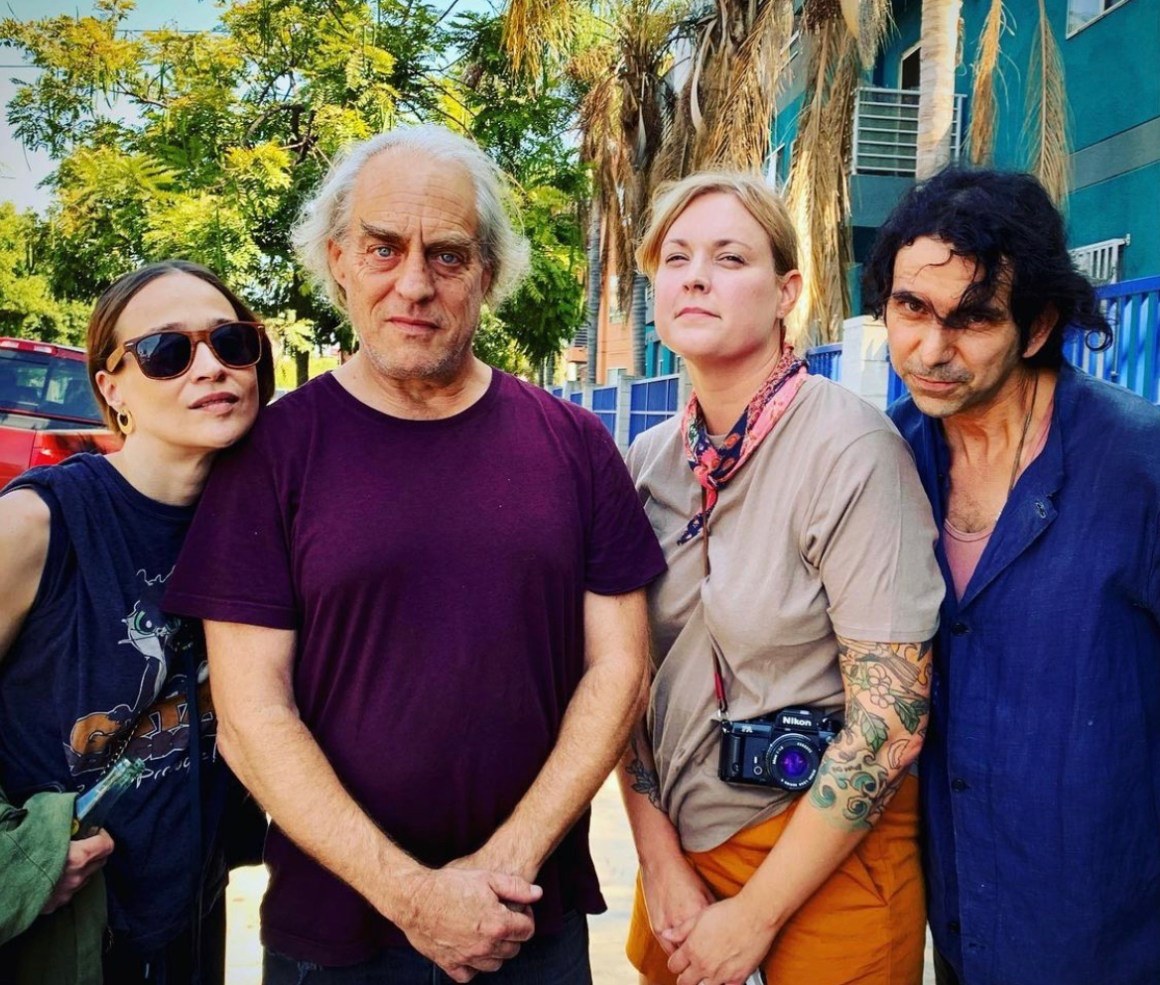
The longest partnership is with Fiona Apple. They met around 2002 through Largo, when he played on a couple of tracks from the original, bootlegged Jon Brion version of Extraordinary Machine; they really started working together on The Idler Wheel... (2012) and its tour, and he became the longest-serving member of her band. Fetch the Bolt Cutters (2020) took three and a half years, starting with a month of playing household objects and chanting at her Venice Beach house with no bass or guitar at all, "just played like birds sing." The band then spent a couple of weeks at Sonic Ranch in Tornillo, Texas, through a connection of Garza's, and about a third of the album started there. He told The Bass Shed it was the first time since the first Soul Coughing album that he felt he had a voice on bass, and he remembers hearing the rough mixes of Ruby Vroom and knowing they had caught it. He co-produced it with Apple, drummer Amy Aileen Wood and guitarist David Garza (his credits run from bass to drums, autoharp, harp, slide guitar, Wurlitzer and noise), co-wrote "Ladies," whose first take made the record, and is name-checked in "Shameika." The album won the Grammy for Best Alternative Music Album. He called it "the most important thing I've ever helped to create."
His approach hasn't changed much since the Knitting Factory. "Bass is a function, not an instrument," he says, "the closest thing to a chaplain in a musical situation." Fiona Apple, Iron & Wine and Diana Krall each asked him not to listen to their earlier records, wanting something new instead of a rehash, and he respects that. He still plays upright every day, a 1952 Arnold, and does most of his electric work on a Yamaha BB5000 that "just gets the hell out of the way."
Yuval Gabay
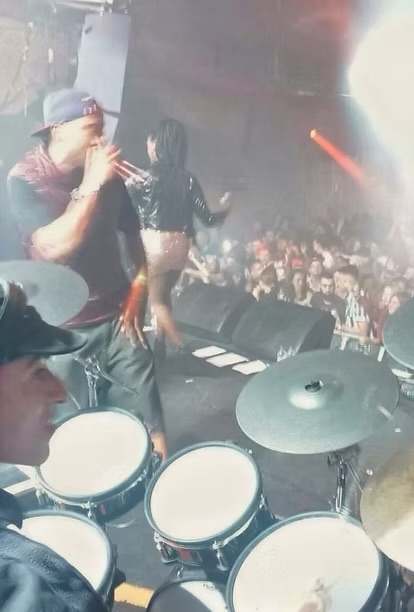
Gabay followed the beat. He had come to Soul Coughing with a resume most rock drummers didn't have: the Jerusalem municipal marching band at nine, jazz and world rhythms at the Rubin Academy, lessons that he credits with changing his direction from Jaco Pastorius, the percussion trio Bosho in mid-1980s New York, dance scores, in-house drumming and beat programming for hip-hop sessions at Firehouse Studio in Brooklyn from 1987, and Zahar, a 1989 band with the Gnawa musician Hassan Hakmoun that fused Moroccan and West African rhythms with hip-hop. Option's November 1987 review of Bosho's Chop Socky, which adds Kumiko Kimoto, Samm Bennett and Hugo Largo's Hahn Rowe on guitar and violin, calls it a groove-fest in which none of the percussionists get in each other's way; Rowe and Martin Bisi engineered it.7 Drum and bass was the next logical step, and by the late 1990s he was already working with the Bristol scene: Krust, Roni Size, Optical, Ed Rush and Grooverider. He told Modern Drummer he first heard Roni Size, DJ Die and Krust around 1994 and bought a few mix tapes off the street. There was no live drum 'n' bass then, and he held off programming it for years so he wouldn't think about it too technically.8 His drums are all over Krust's Coded Language (1999), and the live drum and bass band UV Ray put him with Steinberg, Pere Ubu's Tony Maimone and Rea Mochiach.
Around then he laid out how he worked for Tony Verderosa's The Drummer's Guide to Loop-Based Music, a Hal Leonard handbook for drummers moving into electronic styles (which spelled him "Yuvall" throughout). UV Ray was by then his own project: live acoustic drums with triggers, two bass players (Steinberg and Pere Ubu's Tony Maimone) and a sampler player, with Gabay triggering samples himself. He pushed back on the idea that it was improvised, since every song had a set beat and bass line, and they would just stretch a section if people were dancing. American dance venues weren't built for bands, so they carried their own mixer and ended up in rock clubs and loft parties. In the studio he ran Cubase on an Atari 1040 ST, miked his drums into a Roland 1680 digital recorder, sampled the takes into E-mu and Akai samplers, cut the beats into sections and replayed them from a keyboard, with live percussion on top. Programming changed how he played: a programmed beat needed at least two snares and two hi-hats, so he added a second snare and hats to his kit and put a snare trigger under his left foot to keep two and four, using the left foot as a left hand. He also described filling in for Roni Size's sick drummer at a live date, learning the whole set in one soundcheck alongside four sampler players, a bassist, an MC and a singer. It helped, he said, that they had been using his beats on the record.9
In 2002 he moved to Bristol and became the in-house studio drummer for Full Cycle Records, the label behind Roni Size and Reprazent. He played and programmed drums on Size's Return to V (2004) and Krust's Hidden Knowledge (2006), and toured with Size and Reprazent across Europe, the US, Japan and Australia until 2015. Later, in London, he recorded and played with Asian Dub Foundation (A History of Now, 2010), Krust and the Rules with singer Trudi Mosiamo, Ben Westbeech, Jason Miles and Dazz Moss. Along the way came sessions and shows with Suzanne Vega (he had already drummed on "Tombstone" in 1996), Lauryn Hill, Neil Finn, Beth Orton, Jocelyn Brown, Beverley Knight and Rahzel, plus Greg Kurstin's Action Figure Party (2001) with Flea and Sean Lennon, and earlier work with Firewater and John Zorn. Roni Size and Reprazent's music has turned up in The Sopranos, House and Reacher, the same shows that licensed Soul Coughing.
Asked on M2 in January 1999 what he listened to while recording El Oso, Gabay said mostly R&B radio, on a little $50 box in his hotel room. Looking back on Irresistible Bliss for Diffuser, he said second albums are usually the hardest and this one was, with everyone arriving with strong opinions ("a big sack of puppies") and having to learn when to hold back.
In 2016 he moved home to Jerusalem. There he has worked with Wasat El Tariqe, a collaboration between Israeli and Palestinian musicians, recorded with Idan Raichel, and performed internationally with the singer Victoria Hanna, and by 2024 he was writing and producing an album with singers Alon Ovnat and Nevo Savorai. He was the least public of the four for two decades, which made his reunion remarks land harder: "I respect the music," "I love what I did there," and, of the 1990s, "We were not boring."
The First Year Apart, 2000 to 2001
None of the four took time off. Within a year they had scattered across downtown jazz, drum and bass, film scoring and solo touring, and three of them kept playing together in new combinations:
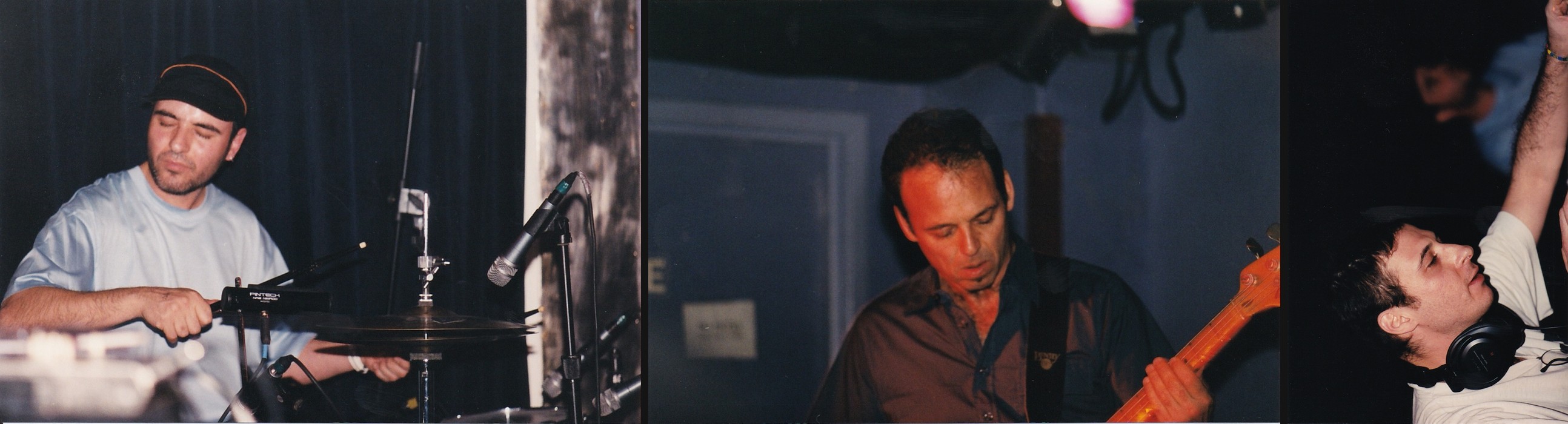
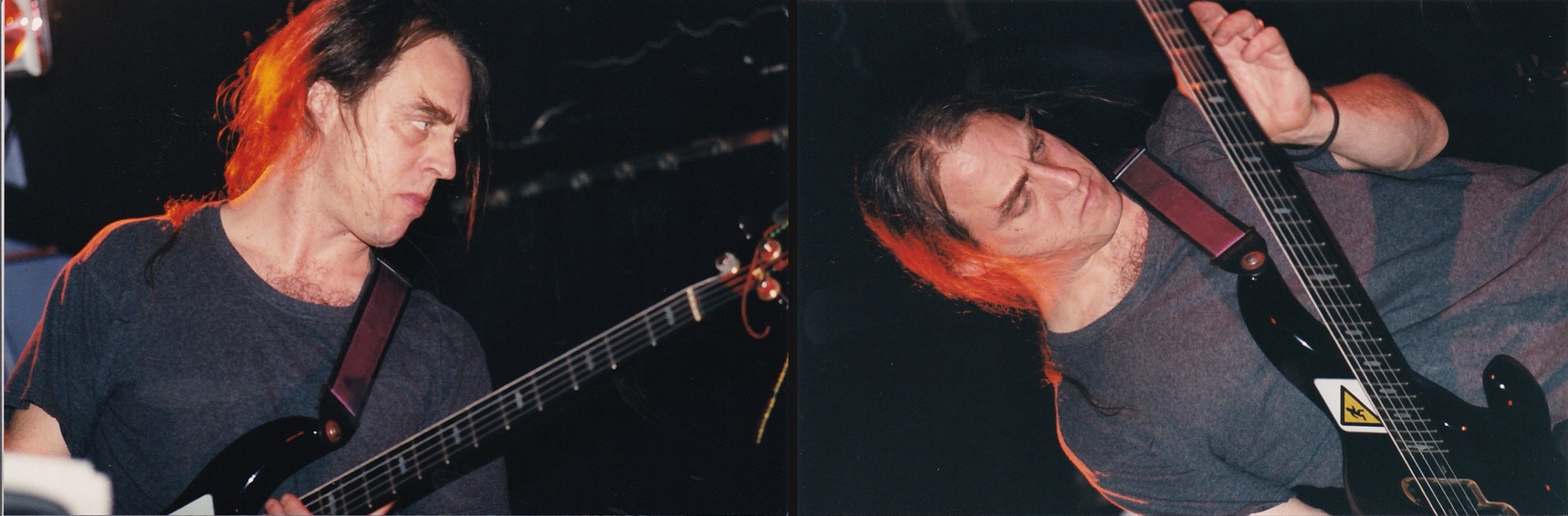
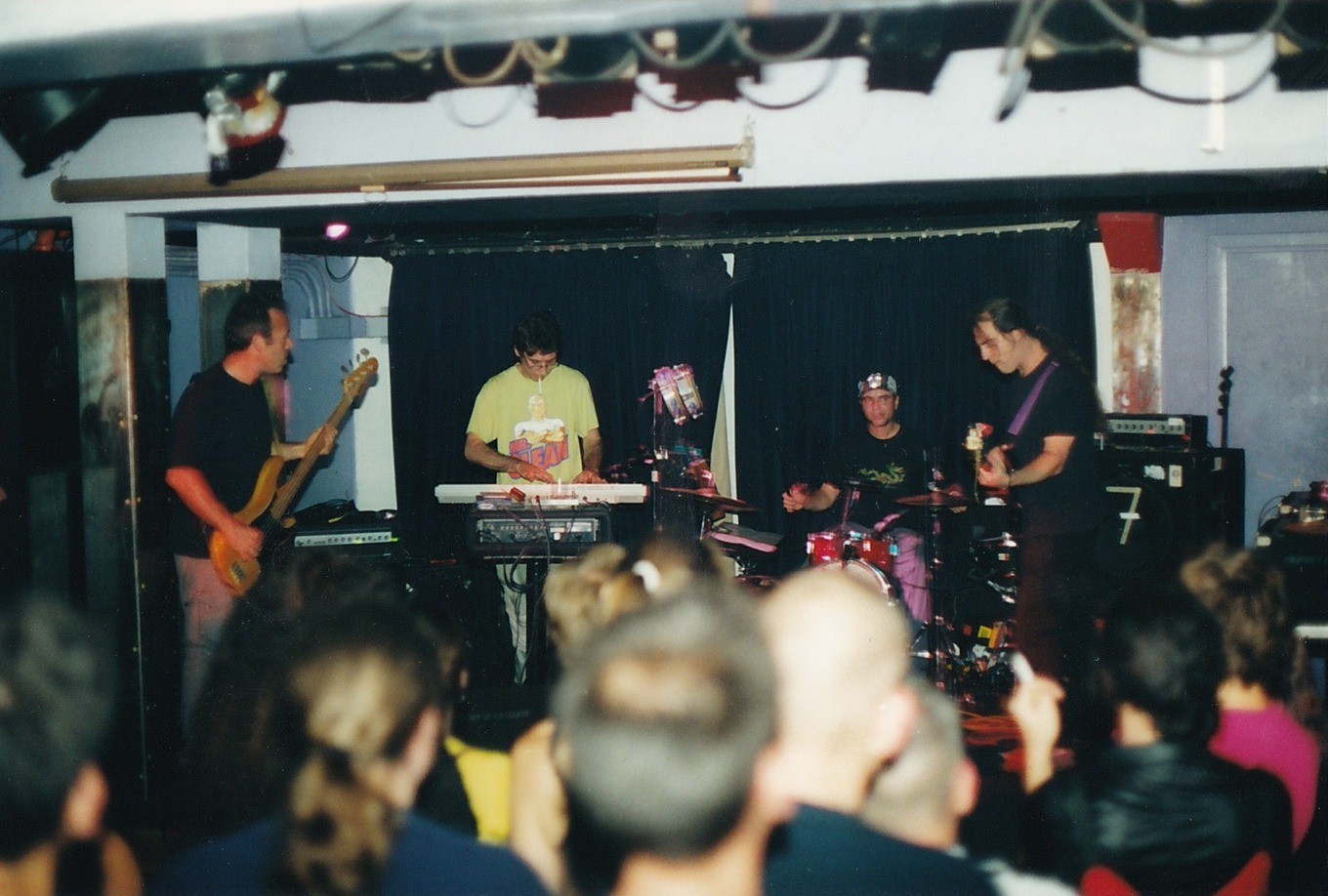
- UV Ray. Gabay and Steinberg's drum and bass project, with Steinberg on 5-string bass through a pile of pedals, Tony Maimone on bass and Rea Mochiach on sampler and synthesizers, played the Cooler in New York on November 3, 2000, Baby Jupiter on the Lower East Side on January 18, 2001 and Wetlands Preserve on September 10, 2001, a room Soul Coughing had played often.
- Roni Size/Reprazent. In March 2001 Gabay was already on stage with them: Neva Chonin's Rolling Stone review of the March 3 show at San Francisco's Maritime Hall noted he was subbing for an ailing Rob Merrill on some West Coast dates, and credited the interplay of his drums and bassist Si John's bass on "Who Told You?"10
- Chris Whitley. Gabay and Steinberg were Whitley's touring band in fall 2000, including a live webcast and in-store appearances.
- Tempo Team. By December 2000 degli Antoni, Steinberg and Gabay were recording as a trio called Tempo Team; Steinberg described an early track, "The Dirty Bride," as a silent movie for your ears.
- Degli Antoni's scores. He scored Mike Stamm's short Ashes to Ashes (2000 to 2001), edited by his Horse Tricks collaborator Joe Bini, then Finn Taylor's feature Cherish (Sundance 2002), with Steinberg and Lisa Germano among the guests. He also played on the B-side of Low's "Dinosaur Act" single.
- Steinberg's sideman work. He toured Europe with Marc Ribot, played New Year's Eve 2000 at Tonic with John Zorn's Bar Kokhba, played a Cibo Matto night conducted by Zorn, and filled in on bass for the Violent Femmes' "Gone Daddy Gone" at Irving Plaza in June 2000.
- Gabay turned up on the Action Figure Party album alongside Flea and Sean Lennon.
- Doughty released Skittish himself in November 2000 through his superspecialquestions.com site and hosted an evening on New York's 102.7 FM. A planned UK tour with Miles Hunt was canceled, his poetry book Slanky was delayed when publisher Soft Skull hit financial trouble, and in fall 2001 he toured with G. Love, including Halloween at Chicago's Riviera. He sold signed copies of Skittish, each inscribed with a unique invented word.
After September 11, 2001, word went around that all four were safe; Doughty had been stranded outside Manhattan for two days driving back from Northampton.
Doughty's first solo year was spent almost entirely on the road. Within weeks of the split he was out with an acoustic guitar: opening for They Might Be Giants in April 2000, his only Canadian solo date at Toronto's Reverb on April 19, Cleveland the next night, San Francisco's Make Out Room, Baltimore's Fletcher's on June 27, New York on June 30 and the Black Cat in Washington DC on August 17. The sets mixed Soul Coughing songs with Skittish material and new ones ("The Pink Life," "The Only Answer"), plus fragments of Semisonic, John Denver, Mary J. Blige and the Backstreet Boys, and fans tossed money at the stage for copies of Skittish, which they had mostly heard on Napster. That summer BT's "Never Gonna Come Back Down," with Doughty singing, was on the Gone in 60 Seconds soundtrack and in rotation on WHFS. In the fall he played KCRW's Morning Becomes Eclectic (October 23, 2000) and guest-hosted a six-hour night on New York's WNEW. By spring 2001 he was touring clubs from Philadelphia to Minneapolis's First Avenue and billing himself as Mike Doughty. In 2002 he opened for John Mayer in the Midwest, put out a live album recorded that February in Minneapolis, and, at the 9:30 Club with Poi Dog Pondering in May, played new songs including "Madeline" and "Gringos" alongside "Thank You, Lord, for Sending Me the F Train" (an outtake from the El Oso sessions).
The others turned up in liner notes. A fan spotted Steinberg on Tracy Bonham's 2000 album, produced by Mitchell Froom and Tchad Blake. In September 2000 the newsgroup relayed that Gabay and Steinberg were on tour as Chris Whitley's band, with a live webcast that October. And fans kept finding the old band in the wild: "Mr. Bitterness" in a 2000 episode of Malcolm in the Middle, a Soul Coughing T-shirt on The Lone Gunmen in 2001.11
The Catalog
- Lust in Phaze: The Best of Soul Coughing (Slash/Rhino, March 19, 2002). Compiled by Cole Cartwright with David Kahne, with a band history by New York Press editor John Strausbaugh and track-by-track notes from Doughty; the title is a "Soft Serve" lyric, though that song isn't on it. Rarities include "Buddha Rhubarb Butter," "16 Horses," the Propellerheads edit of "Super Bon Bon" and a live "Casiotone Nation."
- The Kufala live series. In January 2003 came word that Brady, formerly of Liquid Audio, had started the authorized-live label Kufala, and degli Antoni was combing the band's tape archive. Five double-CD sets were planned. Brady posted to the newsgroup himself on February 20, 2003: the first three masters, from France in 1994, Tokyo in 1997 and Berlin, had arrived, and the last two would be chosen from US tours. Tokyo, Japan 03.02.97, Live Rarities (1993 to 1997) and an advance CD-R of Rennes, France 03.12.94 came out in 2003. On January 4, 2005 came New York, NY 16.08.99 and Berlin/Amsterdam 1997, along with the later edition of Rennes. AllMusic reports that disputes within the band stalled anything further. As early as March 2000, degli Antoni had singled out the August 1999 Supper Club tape as the live recording he most wanted to release.11122
- Vinyl and ownership. Rhino reissued all three albums on 180-gram vinyl in 2015, the first time Ruby Vroom had ever been on vinyl. Between 2016 and 2017 Warner sold the catalog to the Swedish label Woah Dad!, and it later passed to Round Hill Records, which released the 30th anniversary edition of Ruby Vroom in December 2024, LIVE 2024 in April 2025 and the Record Store Day 'Ruby Vroom' Remixes LP in 2025. The anniversary edition added "Murder of Lawyers," "Amy Fisher" and "Rachel" from the original sessions, plus "Buddha Rhubarb Butter" and the Mood Swing Mix of "Screenwriter's Blues."13
First Signs of a Thaw
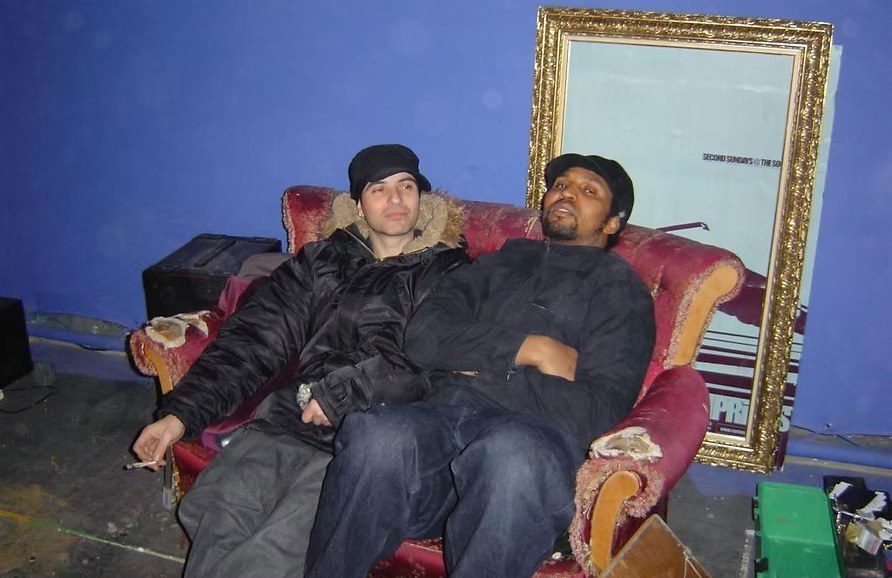
In February 2022 Doughty sat in during Steinberg's set with the Watkins Family Hour in Los Angeles, and the two played "Super Bon Bon" and "True Dreams of Wichita." Spin noted it was the first time any two members had shared a stage since 2000.14
-
Jessica Dungan, interview with Mark degli Antoni, SCUG, November 1999. ↩︎
-
Kufala Recordings announcement, January 2003, and Brady's newsgroup post, February 20, 2003. ↩︎↩︎
-
Bass Magazine, Sebastian Steinberg interviews, 2021 and June 20, 2024. ↩︎↩︎
-
OndaRock, Soul Coughing monograph (Italian). ↩︎
-
Bill Leigh, "Soul Coughing's Sebastian Steinberg: Keep It Stupid," Bass Player, September 1996, p. 13. ↩︎
-
"Sebastian Steinberg: On Having a Flexible Agenda," Bass Notes, Bass Player, May 2007, p. 17. ↩︎
-
Mark Sullivan, review of Bosho, Chop Socky (Dossier, West Germany), Option, November 1, 1987, p. 82. ↩︎
-
Robin Tolleson, "Rock Perspectives: Drum 'n' Bass - The New Frontier?," Modern Drummer, January 2000, pp. 150 to 156. ↩︎
-
Yuval Gabay interview in Tony Verderosa with Rick Mattingly, The Drummer's Guide to Loop-Based Music, Hal Leonard, early 2000s; shared by @osoarchive. ↩︎
-
Rolling Stone. ↩︎
-
alt.music.soulcoughing newsgroup, 1996 to 2013, via UsenetArchives.com. ↩︎↩︎
-
AllMusic, Soul Coughing biography. ↩︎
-
Ruby Vroom 30th anniversary edition, Round Hill Records, 2024 to 2025; Record Store Day. ↩︎
-
Spin. ↩︎